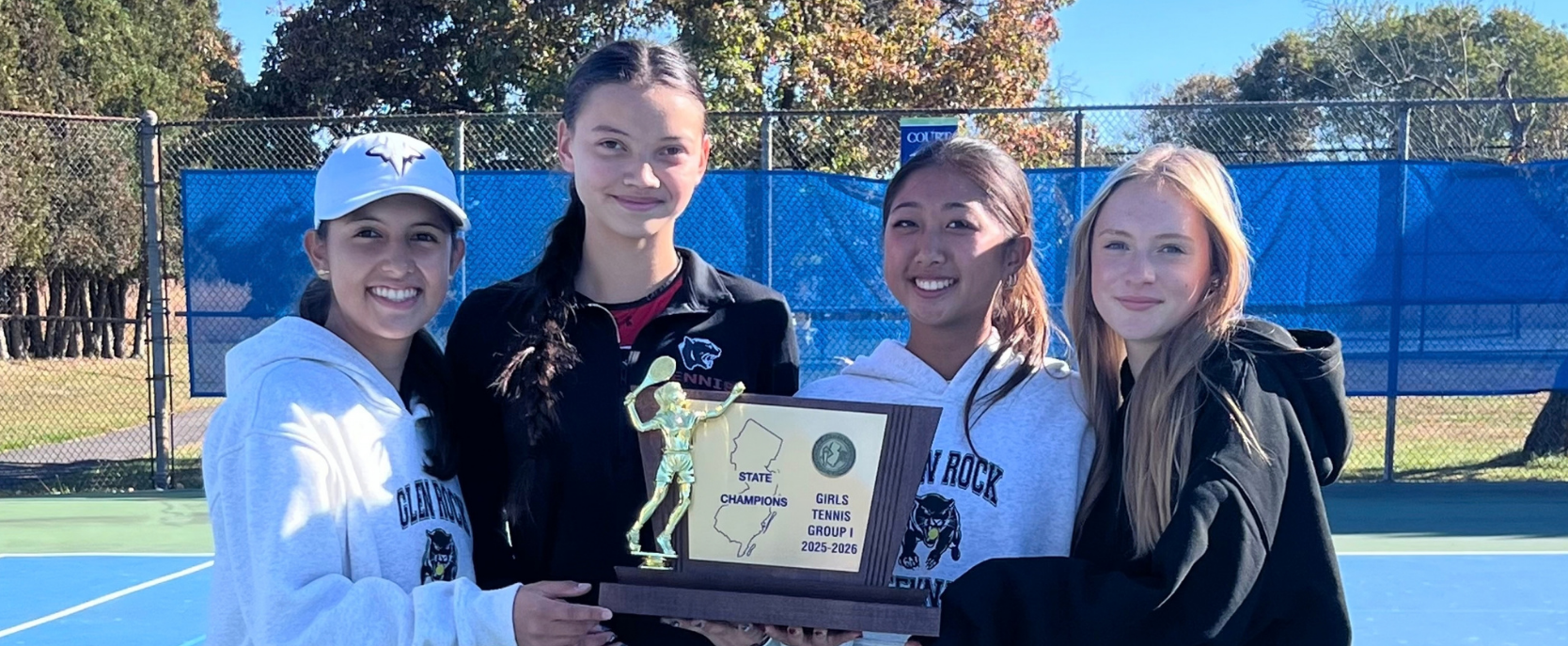
Lilian Cole on Tennis, Comparison, and Finding Her Own Definition of Success

Date
September 25, 2026
Category
Our People

‍

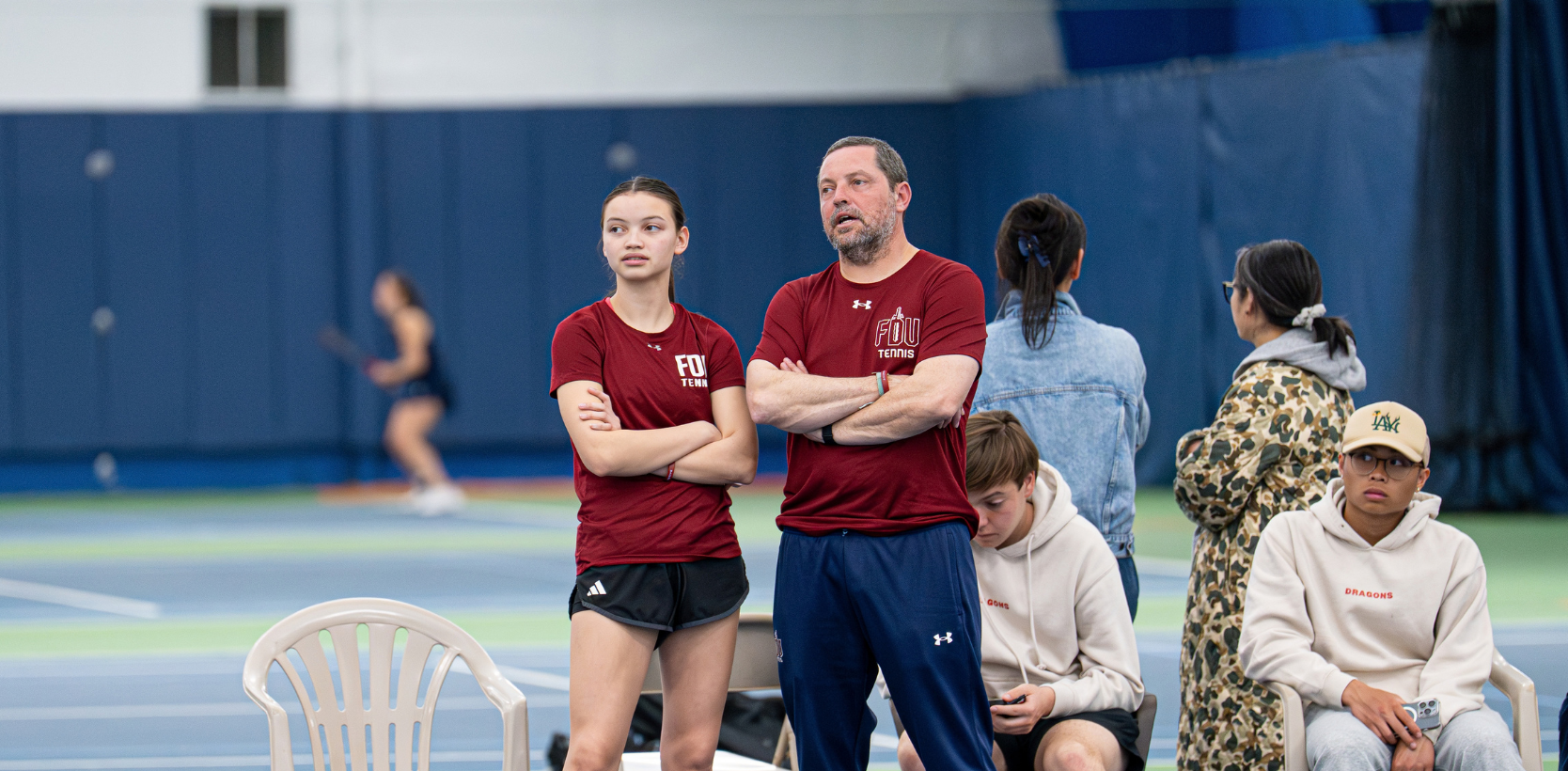
Lily grew up around tennis. Both of her parents played collegiately at FDU, and her dad now coaches there. It's the kind of family history that could make a sport feel more like an inheritance rather than choice, but if you talk to Lily for five minutes, it's clear she's spent real time thinking about what the game means to her, separate from where it came from.

A Life Between Two Cultures

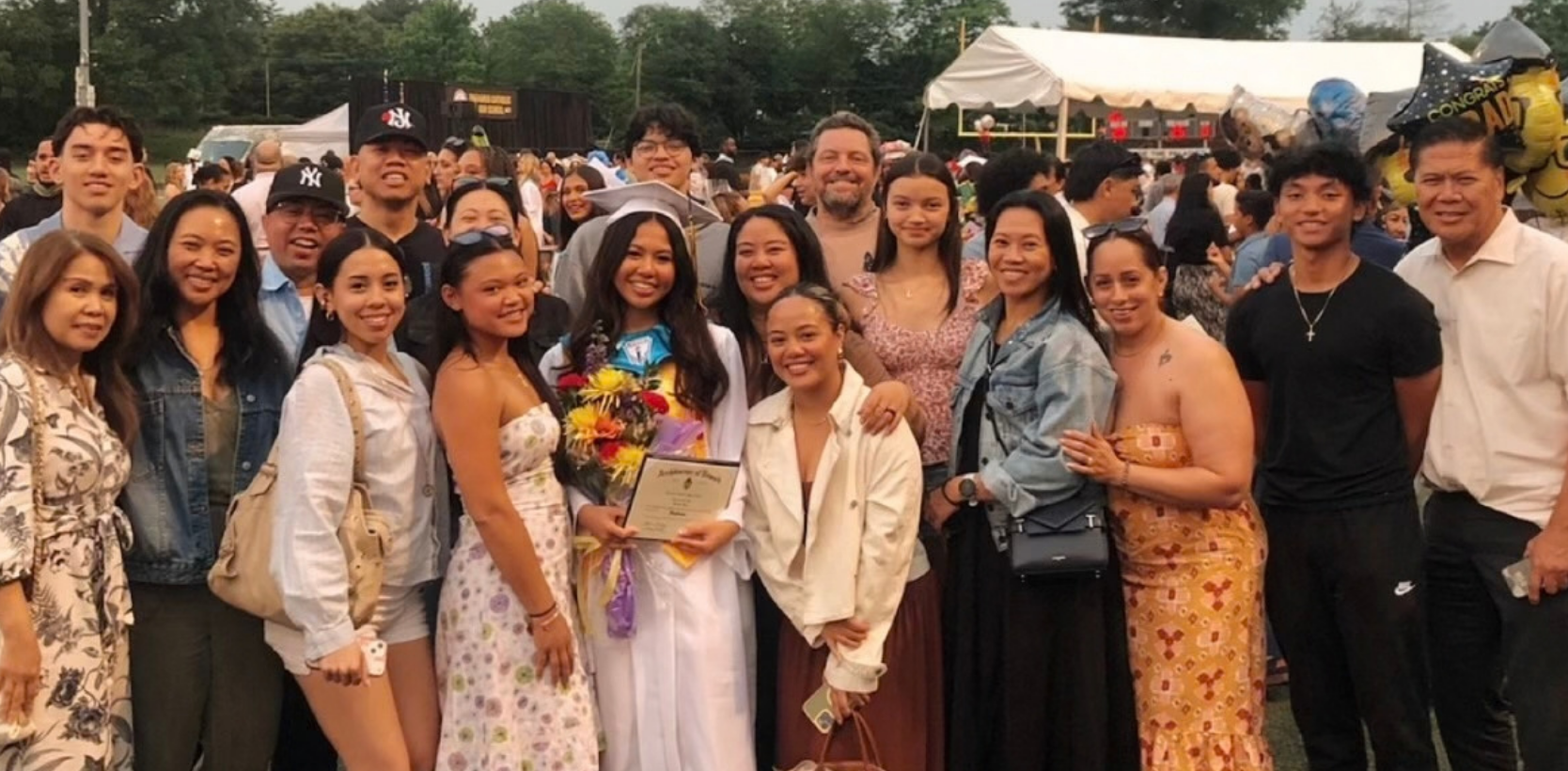
Ask Lily who she is outside of tennis, and family is the first thing she brings up. Her dad is from Wales, with grandparents and cousins still living in England. Her mom's side is Filipino, with a large extended family. Her mom is one of five siblings, many of them living nearby in New Jersey.

Lily describes growing up between two very different worlds: loud, musical gatherings full of karaoke on her mom's side, and quieter, more reserved traditions on her dad's, though just as full of connection, whether that's a game of spoons, a round of ping pong, or an afternoon out sailing. Lily feels a deep connection to her family, and both sides, in their own way, taught her what it means to belong to people.

Learning to Compete Without Losing the Joy

Given Lily’s deep connection to her family and her family’s relationship with tennis, Lily has always had a personal connection with the game. However, tennis and joy didn't always go together for Lily. She talks openly about the pressure of comparing herself to friends who seemed further along, and about matches and practices that ended in tears, not because she'd lost, but because she felt frozen by her own nerves, before she'd even had the chance to compete.

Instead of letting her mind get the best of her, Lily took real ownership over her relationship with the game and totally redefined it. She's come to learn that, at the end of the day, what competing and playing a sport is really about is showing up and being willing to give it your all and trust your training. She’s realized that the outcome is never something that you can fully control. What you can control is what you put in: effort, discipline, and consistency.

It's a lesson that doesn't fully go away, even for people who've played the sport far longer than Lily has. Comparison doesn't disappear with more success. It just finds new things to measure.

Finding The Person First

Lily's first introduction to The Person First came through CourtSense, where she trained, and an invitation to Mentor Meetup. She'd heard about sports psychology before, the way most young athletes do, but something about her time at Mentor Meetup sparked a new interest in it. 

Part of it was the people. Lily talks about meeting others further along in their own journeys, people she could actually relate to, and realizing that the struggles she thought were hers alone were far more universal than she'd assumed. Another part of it was the reminder that the lessons weren't just for tennis players. Hearing from people like singer-songwriters navigating completely different pressures, but resonating with the exact same ideas, helped her see how easy it is to get stuck inside your own bubble, whether that bubble is a tennis court or anything else.

What she took away most was this: everyone is on their own version of the same journey, and none of us are as alone in our struggles as we tend to believe.

Performance Psychology Isn't Just for Athletes

One thing Lily and I kept coming back to in our conversation is how often performance psychology gets pigeonholed as something just for athletes, when really, it's for anyone trying to live a fuller, more intentional life while pursuing their goals. Lily pointed out that when she first heard about The Person First, she assumed it was a sports psychology program, in part because that's the easiest way to introduce it to someone like her, a competitive tennis player. The tools themselves, however, don't care what your particular pressure looks like.

That was one of the most powerful parts of her Mentor Meetup experience: sitting alongside other young people with completely different passions and pressures, and realizing they were all resonating with the exact same lessons. The tools that help elite athletes perform under pressure are just as useful for a student managing school stress, a young professional finding their footing, an artist dealing with stage-fright, or anyone simply trying to live with more purpose and less self-doubt.
What "The Person First" Means to Her

When asked to define it in her own words, Lily didn't hesitate. The Person First, she said, is about putting who you are, your character, before your results, your rankings, and your statistics. Because at the end of the day, you can't fully control outcomes. What you can control is your character and how you show up for the people around you.

She traces that idea back to a conversation at Mentor Meetup about the tombstone exercise, one of our core tools at The Person First. The premise is simple, but powerful: if you could choose just a few words to sum up how people remember you at the end of your life, what would they be? It’s not about your ranking, title, or achievements but about who you were and how you made people feel.

It's a deliberately uncomfortable question, because most of us, especially young people under constant pressure to perform, spend far more time thinking about the next tournament, test, or milestone than about the kind of person that pursuit is shaping us into. The exercise forces a kind of reverse engineering: start with who you want to have been, then work backward to how you're actually spending your days right now.

To show what that looks like in practice, Lily and I played the game ourselves, going back and forth naming words we'd want on our own tombstones. Lily's answers came quickly, and they say a lot about who she is: Caring, because she wants people to know she's loyal and shows up for the people she loves. Honest, because she's watched how easy it is for people to tell lies and wants no part of that. A team player, someone who genuinely loves cheering others on. A go-getter, ambitious and driven, someone people would describe as a doer. Relentless, someone who doesn't give up, no matter what gets in the way. 

Taken together, her words paint a picture of exactly the kind of person the tombstone exercise is designed to surface, someone whose sense of success has very little to do with a scoreboard.

The Practice That Stuck

Of everything Lily has taken from her time with The Person First, gratitude is what she comes back to most. She's noticed that naming what she's grateful for changes what her mind goes looking for afterward.

She also holds onto a line from Mentor Meetup that's stayed with her since: “One day, I will not be able to do this. But today will not be that day.” It's a small shift in perspective, she says, but turns "I have to go to practice" into "I get to," especially on the days that are harder than others.

What Young Athletes Need More Of

When I asked what she thinks young people, and young athletes especially, need more of today, Lily pointed to connection.

It's easy, she says, to stay inside the version of the world your algorithm and your inner circle keep confirming for you, but growth happens when you're willing to step outside of that and be challenged by people who aren't just like you. She sees that same diversity of experience as one of the things that makes The Person First's community work: athletes, musicians, young entrepreneurs, students, parents, teachers, coaches, and everyone in between, all learning from each other.

For young athletes specifically, she thinks the pressure itself isn't the problem, it's that most of them are never taught how to carry it. That's something she believes should be part of the conversation much earlier. 

What’s Next for Lily

Lily doesn't have her whole future mapped out, and she's honest about that. She's considering studying sports marketing or journalism in college, work that would let her inspire people through sport, and represent young women in an industry that could use more of them.

When asked what kind of impact she hopes to have, though, Lily’s answer was quick and full of clarity. She wants to be there for the people around her. She wants people to know, without question, that she has their back.

It's a fitting answer from someone who, even at the start of her own journey, has already learned that the most important scoreboard isn't the one on the court.

Lily is a member of The Person First's Youth & Young Adult Leadership Board. Every member of our board has gone through our full online program. If you want to take the same journey Lily did, start our free course, Reaching Your Fullest Potential, here.

Read more

August 20, 2026

Seal Turns Backstage Access Into Real Impact

Read Blog
May 27, 2026

You Found Me: How Matt Bazinet Found His Inner Champion

Read Blog